
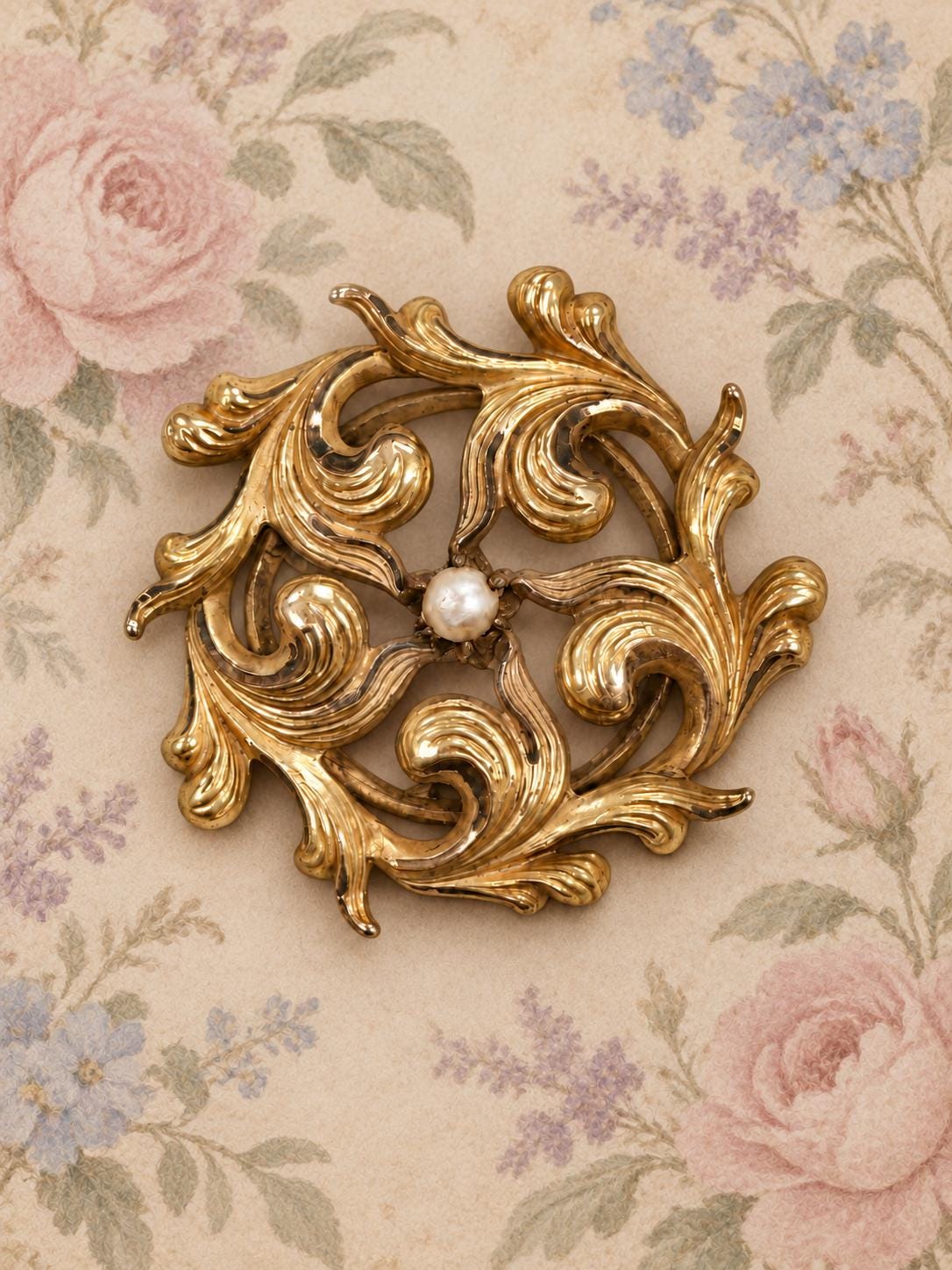
Why antique and vintage jewelry may be the ultimate form of recycling,reuse—and timeless style.
Walk into almost any resale shop today and you’ll see shoppers searchingfor vintage Levi’s, an old leather jacket, or that perfect piece that doesn’tlook like everyone else’s. More and more, people are discovering theappeal of choosing something with a past rather than something brandnew. In the antique and estate jewelry world, we’ve understood thatappeal for a very long time.
Antique and Vintage Jewelry May Just be the Ultimate Form ofRecycling and Reuse.
Think about it! That Victorian ring, Art Deco pendant, or Edwardian brooch sitting in a jewelry case today may havebeen made 75, 100, or even 125 years ago. And it’s still here! I think sometimes we forget just how remarkable that is. We live in a world where so many things are made to be replaced. Phones becomenobsolete. Appliances wear out. Clothing gets discarded. Trends come and go. But a beautifully made pieceof jewelry can survive generations. Just imagine the life that piece may already have had. Perhaps it was a birthday gift, an anniversary present, or something its first owner simply fell in love with. It may have been worn to celebrations, tucked safely away for years, and eventually passed from one generation to another. Decades later, it is still here—waiting for someone new to appreciate it. That’s one of the things I love most about antique and vintage jewelry. You aren’t simply buying something“used.” I prefer the term pre-loved, because in many cases, that is exactly what it was. And when youchoose it, you become the next chapter in its story.
Antique Jewelry is the O.G. of Recycling and Reuse.
Long before “sustainability” became part of our everyday vocabulary, jewelry was being reused, repaired,passed down, redesigned, and worn by another generation. Precious metals are, by their very nature,recyclable. Gold and platinum don’t simply become useless because decades have passed. Gemstonescan survive generations as well. That’s one reason we still encounter beautiful diamonds, sapphires,rubies, garnets, and other gems in jewelry created long before any of us were born. And when an antiqueor vintage piece remains intact, there is something especially wonderful about preserving it as it was originally created. The piece already exists. The materials have already been mined. The jewelry has already been manufactured. Rather than starting over, we are extending the life of something that may already have survived for a century. Reuse doesn’t get much more literal than that!
Old Doesn’t Mean Outdated.
There’s another reason people are drawn to vintage clothing and furnishings, and I think the same thing applies to jewelry: people want things with personality. We don’t all want to look exactly alike! Antique and vintage jewelry offers design, craftsmanship, and character that can be difficult—or extremely expensive—to reproduce today. The delicate details of an Edwardian piece, the geometry of Art Deco,the romance of Victorian jewelry, or the bold designs of the MidCentury era each tell us something about the time in which they were created. Yet put one of those pieces on today and it can look anything but old-fashioned. (Well, okay… maybe not nugget jewelry!) A 100-year-old ring with jeans and a white shirt? Fabulous! An Art Deco pendant with a simple black dress? Timeless! A great vintage brooch worn in anunexpected way? Suddenly something made decades ago looks completely individual and modern! That is the difference between something being merely old and something being timeless.
Jewelry for Generations
I grew up in the jewelry business. Gallun Fine Jewelry was founded by my mother in 1950, and over the years I’ve had the privilege of seeing jewelry move through generations.Perhaps that’s why I have such an appreciation for pieces that have already lived a life before they reach my showcases. I sometimes wonder about them. Who originally owned that ring? Was it given for ananniversary? Did someone save for months to buy that necklace? Was that brooch worn to a wedding, a special dinner, or simply because its owner thought it was beautiful? Most of the time, we’ll never know. But we do know one thing: It survived! And now someone else has the opportunity to love it, wear it, care for it—and perhaps someday pass italong again. Maybe the most sustainable piece of jewelry isn’t the one manufactured with the newest technology. Maybe it’s the one that has already survived 100 years—and is ready for its next hundred!